As we navigate the vast expanse of the internet, we often take for granted the wealth of information and resources available at our fingertips. However, not all websites are accessible to everyone. This article delves into the issue of digital accessibility, examining which sites are not accessible and under what circumstances. One notable example that highlights this issue is the which sites are not on GamStop? https://www.gamta.org.uk/, which serves a specific community but may not reach those outside certain demographics.
The Importance of Internet Accessibility
Internet accessibility is crucial in our increasingly digital world. Millions of people rely on the internet for everything from education to healthcare to social interaction. Accessibility ensures that everyone, regardless of their circumstances or location, can access online resources. Unfortunately, many websites are not designed with accessibility in mind, which can exclude large segments of the population.
Factors Contributing to Inaccessibility
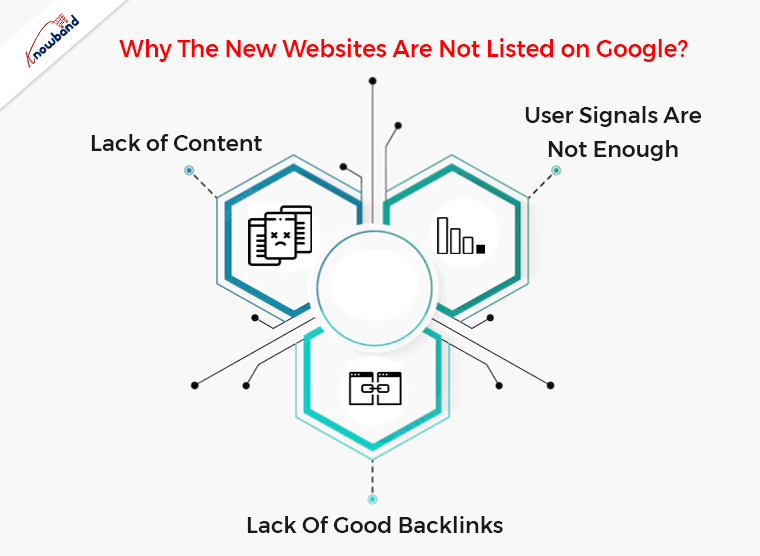
Several factors contribute to why certain websites are not accessible to all users. Here are some key elements:
- Geographical Limitations: Some websites are restricted to specific regions or countries. Content licensing laws, for example, can prevent access to certain media platforms in different parts of the world.
- Technical Barriers: Websites that are not optimized for various devices or those that rely on certain technologies (like Flash) can be inaccessible to users with outdated hardware or software.
- Language and Cultural Accessibility: Websites that are only available in a single language or that cater to specific cultural norms can alienate potential users from diverse backgrounds.
- Disability Barriers: Many websites fail to comply with accessibility standards, which can hinder users with disabilities from navigating and utilizing the site effectively.
Examples of Inaccessible Websites
While many popular websites strive for accessibility, some remain out of reach for various reasons. Here are a few examples:
- Government Websites: In some countries, various governmental websites offer limited accessibility due to technical barriers or lack of translation, making it challenging for citizens to access vital information.
- Educational Platforms: Certain online learning platforms may not provide materials in various languages, excluding non-native speakers from education opportunities.
- Financial Institutions: Banks and financial services may not be accessible to users with disabilities if their websites do not conform to accessibility guidelines.
The Digital Divide
The issue of accessibility highlights the broader concept of the digital divide—the gap between those who have easy access to digital technology and those who do not. This divide can be seen across various demographics, including socioeconomic status, geographical location, and educational background. Websites that are not accessible contribute to this divide, perpetuating inequalities in society.
Efforts to Improve Accessibility
Fortunately, there are increasing efforts to address the accessibility of websites. Organizations and governments are working on standards and regulations to promote more inclusive digital environments. The World Wide Web Consortium (W3C) has created the Web Content Accessibility Guidelines (WCAG), which provide a framework for making web content more accessible to users with disabilities.
The Role of Web Developers
Web developers play a crucial role in ensuring that websites are accessible to all users. By incorporating best practices into their development processes, they can create sites that are user-friendly and inclusive. These practices include using semantic HTML, providing alternative text for images, and ensuring that navigation is possible via keyboard and screen readers.
Conclusion
In conclusion, while the internet offers a wealth of resources, many websites remain inaccessible to significant segments of the population. It is imperative that we recognize the barriers that contribute to this inaccessibility and work towards solutions that foster inclusivity in the digital space. Whether by adhering to guidelines, creating more welcoming content, or advocating for change, each of us can contribute to making the internet a more accessible place for everyone.