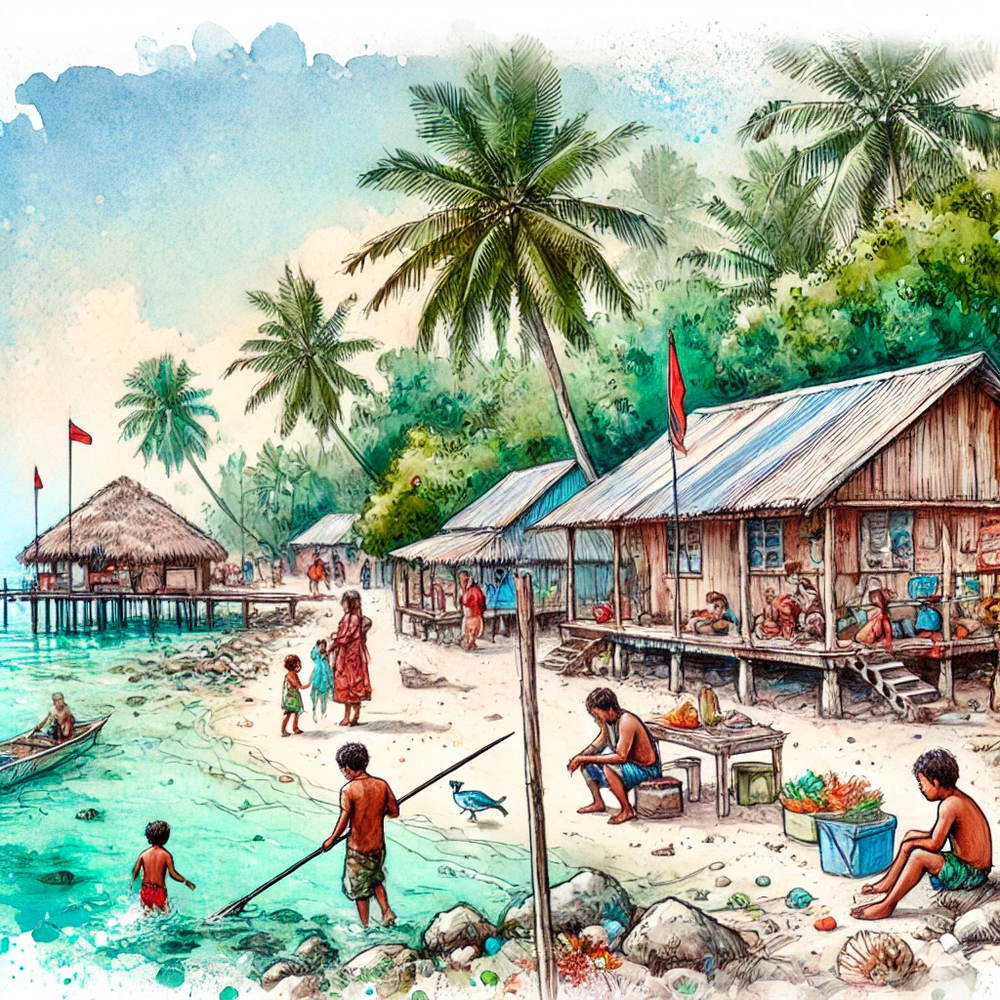
Understanding Nauru Citizenship: Opportunities and Challenges
The small island nation of Nauru in the Pacific Ocean may not be the most well-known country, but it offers unique opportunities for those seeking citizenship. In this article, we’ll explore the intricacies of Nauru citizenship, including the benefits, challenges, and the application process one might face when pursuing this status.
What is Nauru Citizenship?
Nauru citizenship grants individuals the legal status of being a citizen of Nauru, which comes with specific rights and responsibilities. Nauru is known for its rich culture, beautiful landscapes, and favorable economic policies. However, its small size presents both opportunities and challenges for potential citizens.
Eligibility for Nauru Citizenship
Gaining citizenship in Nauru usually requires individuals to fulfill certain eligibility criteria. Generally, one can become a citizen through:
- Descent: If you have Nauruan parents, you may qualify for citizenship by descent.
- Birth: Anyone born on Nauru is typically granted citizenship.
- Naturalization: Foreign nationals may apply for citizenship after residing on the island for a specific period, usually around ten years.
The Naturalization Process
The naturalization process can be complex and may involve several steps, including:
- Residency Requirement: Applicants must reside in Nauru for the required duration.
- Language Proficiency: Demonstrating proficiency in English or Nauruan may be necessary.
- Application Submission: An application form must be submitted to the government, accompanied by necessary documentation.
- Approval Process: After submission, the relevant authorities will review the application, which may include an interview or background checks.
Benefits of Nauru Citizenship
Becoming a citizen of Nauru comes with numerous advantages, including:
- Right to Vote: Citizens can participate in elections and contribute to the democratic process.
- Social Services: Access to quality education, healthcare, and social welfare services that the Nauruan government provides.
- Travel Freedom: Nauru citizens enjoy visa-free or visa-on-arrival access to several countries, expanding travel opportunities.
- Ownership of Property: Citizenship allows individuals to purchase land and property within Nauru.
Challenges Faced by Potential Citizens
Despite the perks, aspiring citizens may encounter challenges in their journey:

- Lengthy Process: The naturalization process can take years, often leading to frustration among applicants.
- Limited Resources: Nauru’s small size sometimes means fewer governmental resources available to assist with applications.
- Cultural Adjustment: Adapting to Nauru’s unique culture and lifestyle may pose challenges for newcomers.
- Economic Vulnerabilities: Nauru’s economy heavily relies on phosphate mining, making it susceptible to global market changes.
Cultural Aspects of Nauru
Nauru is rich in culture and tradition, with a population that takes pride in its heritage. It is essential for potential citizens to understand and respect Nauruan customs and traditions, including:
- Language: The Nauruan language, while not widely spoken outside of Nauru, is integral to the nation’s identity.
- Festivals and Celebrations: Engaging in local festivals can help newcomers integrate and embrace the Nauruan way of life.
- Community Engagement: Active participation in community events can foster relationships and a sense of belonging.
Conclusion
Nauru citizenship can offer individuals a unique lifestyle, characterized by a close-knit community and beautiful surroundings. While the path to citizenship may involve challenges and adjustments, the benefits, including access to services and political participation, make it an appealing option for many. Understanding the eligibility criteria and naturalization process is crucial for those considering making Nauru their home.